
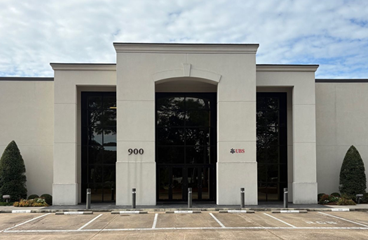
900 East St. Mary Blvd. #104
Lafayette, LA 70503

Facelift procedure
Over time, the face loses its youthfulness, developing drooping skin and unwanted wrinkles.
This occurs due to a number of reasons that range from environmental conditions and heredity to the aging process, gravity, and stress.
A facelift procedure is capable of restoring the face’s youthfulness. Also referred to as a rhytidectomy, this surgical procedure is the most effective option for correcting the more obvious signs of aging around the neck and face, such as sagging skin and age lines. This normally includes the correction of the following issues:
Facial sagging at the midface
Significant creases around the nose area and towards the corners of the mouth
Sagging fat
Significant creases beneath the eyelids
Fatty deposits or loose skin below the jaw and chin area
Skin tone in the jowl area

HOW IS A FACELIFT PROCEDURE CARRIED OUT?
Before beginning the procedure, you will be administered with either general anesthesia or an intravenous sedative with a local anesthetic to keep the skin numb.
After the anesthetic/sedative has been administered, the surgeon will begin making incisions. The incisions normally occur along the hairline or at an area where the skin is expected to form a natural crease. This is done to make sure that the surgical scars are not visible.
The incisions typically start from the temple and are contoured around the face. In some cases, surgeons will carry out a facelift with limited incision. Here, the surgeon will make shorter incisions near the temples and the ears. Incisions may be made around the lower eyelids or below the upper lip.
For tightening loose skin under the chin or sagging jowls, incisions are made from the earlobe area to the lower scalp at the back of the ear.
After the chosen incisions have been made, the surgeon will lift the skin and begin tightening the tissue below. During this phase of the procedure, the surgeon may remove excess skin and fat as well. After the tightening is done, the facial skin is repositioned over the tightened facial tissue. Finally, the surgeon will suture the incisions closed.
The entire procedure is completed within a few hours, and you can be discharged on the same day. However, most patients tend to spend a night at the hospital.
THE HEALING PROCESS
Your face will remain bandaged after the procedure for a couple of days. You might have a drainage tube inserted behind the ear; if so, this will also be kept for a couple of days. The stitches are removed after a week or so during a follow-up appointment.
Be prepared to experience some numbness and stiffness. This is quite normal after a facelift. You can expect a certain amount of temporary bruising and swelling to be present on your face. Relief for this can be achieved using a cold compress. Your doctor will also advise you to hold your face in an elevated position with minimal movement.
Medications may be prescribed to help with pain relief. Smoking must be avoided for almost four weeks, and this rule is applicable even before the procedure takes place; tobacco can slow down the healing process and cause scarring or tissue death.
You can resume normal functions within a few weeks after the procedure as instructed by your surgeon. More details instructions for the healing process will be given to you during your consultation.
© 2026 Plastic & Reconstructive Surgery of Acadiana. Accessibility Statement - Privacy Policy - Sitemap - Powered by
